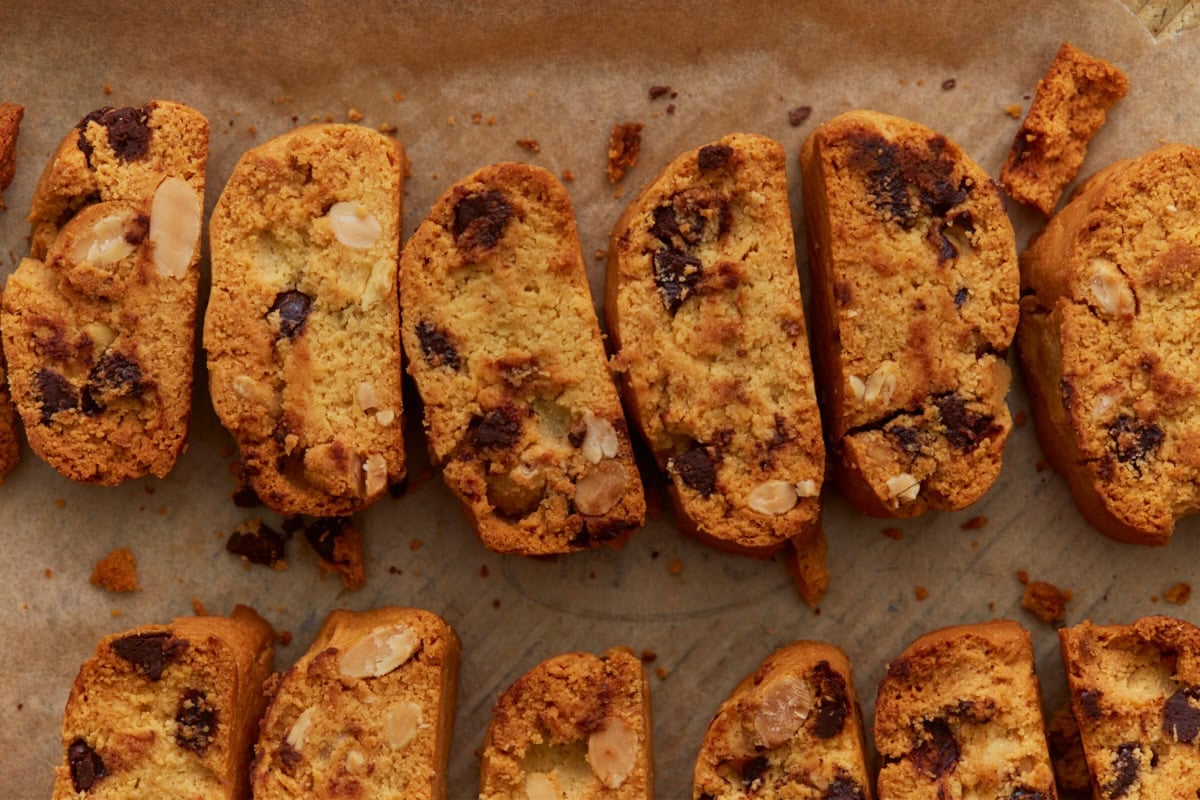
Easy Almond Flour Biscotti: A Gluten-Free Revelation That Outshines Tradition
Imagine a crisp, golden cookie, perfectly suited for dunking into your morning coffee or evening tea. Now, imagine it’s gluten-free, yet so exceptionally delicious that even the most die-hard traditionalists declare it superior. Welcome to the world of almond flour biscotti – a delightful revelation that’s changing how we think about this classic Italian treat. Far from being just a gluten-free alternative, these biscotti possess a unique texture and a rich, nutty flavor that often surpasses their wheat-based counterparts. They are surprisingly easy to make, incredibly versatile for various flavor profiles, and promise an "ooohh and ahhhh" moment with every bite. Get ready to bake a batch that will impress everyone, regardless of their dietary preferences!
Why Almond Flour Biscotti Steals the Show (and Hearts!)
There's a reason why so many home bakers, including myself, are making the switch to almond flour for their biscotti. It's not just about accommodating dietary needs; it's about elevating the entire experience. Traditional biscotti, while beloved, can sometimes be overly hard or dry. Almond flour introduces a magical transformation:
- Unrivaled Texture: While still delivering that satisfying, signature crunch, almond flour biscotti also boasts a delicate, slightly chewy interior. This makes for a cookie that’s sturdy enough to dunk without crumbling instantly, yet melts in your mouth with a pleasant richness. When dipped into a steaming cup of coffee or espresso, it softens into a velvety, flavorful delight.
- Naturally Gluten-Free & Flavorful: For those avoiding gluten, this is a game-changer. You get all the joy of a classic biscotti without any compromise on taste or texture. The almond flour itself imparts a naturally sweet, nutty depth that is simply irresistible, eliminating any need for artificial flavors or weird aftertastes often associated with gluten-free baking.
- Rich & Aromatic: The inherent richness of almonds means a deeply satisfying flavor profile. This makes almond flour biscotti feel more indulgent, even with a moderate amount of sugar. It’s a flavor that pairs beautifully with coffee, tea, or even a dessert wine, offering a sophisticated treat for any time of day.
- Simplicity & Versatility: Despite its gourmet appeal, this recipe is incredibly straightforward. With just a few basic ingredients and the characteristic "twice-baked" method, you can create bakery-quality biscotti at home. Plus, it’s a blank canvas for endless flavor variations, from classic almond and vanilla to citrus, chocolate, or warming spices.
The "Twice-Baked" Secret to Irresistible Crunch
The very name "biscotti" comes from the Italian bis-cotto, meaning "twice-baked." This isn't just a quirky detail; it's the fundamental technique that gives these cookies their iconic dry, crunchy texture and impressive shelf life. Understanding this process is key to mastering your homemade almond flour biscotti:
- First Bake: Shaping & Setting: After mixing your dough, it's typically formed into a flattened log. This log undergoes its initial bake, which cooks the dough through and sets its shape. During this stage, the biscotti takes on a cake-like consistency. It's crucial not to overbake here; you want it firm but still slightly soft in the center.
- Cooling & Slicing: Once the first bake is complete, the log needs to cool sufficiently. This step is critical for clean slices. Attempting to slice a hot log will often result in crumbling. Once cooled (sometimes completely, depending on the recipe and your dough's consistency), the log is carefully sliced into individual cookies, usually on the diagonal for that characteristic elongated shape. A sharp, serrated knife works best here to minimize breakage, especially with gluten-free doughs that can be more delicate.
- Second Bake: The Crunch Factor: The sliced cookies are then returned to the oven for their second bake. This is where the magic truly happens! The lower heat and extended baking time dehydrate the cookies, transforming their soft interior into that wonderfully crisp and crunchy texture we all know and love. This second bake is also where you customize the final crunch – bake longer for a very crisp biscotti, or slightly less for a more tender-crisp result.
This two-step baking process is what allows almond flour biscotti to hold its shape beautifully and achieve that perfect texture for dunking without turning to mush too quickly.
Essential Ingredients for Your Failproof Almond Flour Biscotti
Crafting delicious almond flour biscotti relies on a few key ingredients, each playing a vital role in achieving that perfect balance of flavor and texture. Here's a breakdown, along with insights to help you make the best choices:
Blanched Almond Flour: The Gluten-Free Foundation
This is the star of our show. It’s absolutely essential to use blanched almond flour, not almond meal. Blanched almond flour is made from almonds that have had their skins removed before being finely ground. This results in a lighter color, a finer texture, and a more delicate crumb in your baked goods, which is ideal for biscotti. Almond meal, on the other hand, is coarser and includes the skins, leading to a denser, sometimes grittier texture and a darker appearance that isn't quite right for this recipe.
The Binding Secret: Cornstarch (or Alternatives)
Since almond flour is naturally gluten-free, it lacks the binding proteins that wheat flour provides. To prevent your biscotti from being crumbly and falling apart, a binding agent is crucial. Cornstarch is a common and effective choice, helping to hold the dough together and contribute to a desirable texture. For those seeking a completely grain-free option, excellent alternatives include:
- Arrowroot Powder: A fantastic natural thickener and binder.
- Tapioca Starch/Flour: Similar to arrowroot, it provides a lovely chewiness and binding power.
- Coconut Flour: Use sparingly, as it's highly absorbent. If substituting, you may need less coconut flour than cornstarch and potentially a little more liquid.
Experimentation can help you find your preferred binder, but cornstarch is a reliable starting point.
Sweeteners: Granulated Sugar and Beyond
Most recipes call for granulated sugar, which provides clean sweetness and helps with crispness. However, you have options to tailor your biscotti to your taste:
- Light Brown Sugar: Adds a hint of molasses flavor and can make the biscotti slightly chewier.
- Coconut Sugar: A less refined option with a caramel-like flavor, often used as a 1:1 substitute for granulated sugar.
- Sugar-Free Substitutes: Many readers have successfully used erythritol-based sweeteners or other sugar alcohols. Just be mindful of potential cooling effects or slight textural differences. Always check the conversion rates for your chosen sweetener.
Fat for Flavor and Texture: Butter or Dairy-Free Options
Softened butter is typically creamed with the sugar, contributing richness and tenderness to the dough. If you need a dairy-free version, fear not! Soft (not melted) coconut oil can work beautifully, though it might impart a subtle coconut flavor. Alternatively, high-quality vegan butter sticks are an excellent 1:1 substitute, specifically formulated for baking and often providing a very similar result to dairy butter.
Flavor Enhancers & Add-ins: Unleash Your Creativity
This is where your biscotti truly becomes "yours"!
- Extracts: A touch of almond extract enhances the natural almond flavor. Vanilla extract is always a welcome addition. Consider a drop of orange or lemon extract for a citrus twist.
- Citrus Zest: Freshly grated orange or lemon zest adds a bright, aromatic punch that beautifully complements the nuts.
- Nuts: Beyond the almond flour, incorporate chopped almonds, pistachios, or walnuts for added texture and flavor.
- Chocolate: Mini chocolate chips or a drizzle of melted dark, milk, or white chocolate after baking elevate these biscotti to a decadent dessert level.
- Spices: A pinch of cinnamon, cardamom, or even a touch of ginger can transform your biscotti into a warming, spiced treat perfect for cooler weather.
Beyond the Basic: Creative Flavor Twists and Serving Suggestions
The beauty of almond flour biscotti lies in its incredible versatility. Once you've mastered the basic recipe, the possibilities for flavor combinations are endless:
- Lemon-Poppy Seed: Add lemon zest and poppy seeds to the dough. Drizzle with a simple lemon glaze after baking.
- Chocolate-Pistachio: Fold in chopped pistachios and mini chocolate chips. A white chocolate drizzle would be exquisite.
- Orange-Cardamom: Incorporate orange zest and ground cardamom for an aromatic, exotic touch.
- Espresso-Anise: A classic Italian pairing. Add a tablespoon of instant espresso powder and a teaspoon of anise seeds to the dough.
- Gingerbread Spice: Perfect for holidays! Use brown sugar, and add ground ginger, cinnamon, cloves, and nutmeg.
These delightful cookies are, of course, perfect for dunking into your favorite hot beverage – be it a robust espresso, a creamy latte, or a soothing herbal tea. But don't stop there! Consider serving them alongside a scoop of vanilla bean ice cream, crumbling them over a fruit compote, or even pairing them with a sweet dessert wine like Vin Santo for a truly authentic Italian experience. They also make a thoughtful homemade gift, beautifully packaged in an airtight container.
Making almond flour biscotti is more than just following a recipe; it's an invitation to rediscover a classic with a modern, healthier twist that often yields a superior result. With their irresistible crunch, delicate chew, and rich nutty flavor, these gluten-free wonders are poised to become your new go-to treat. So, gather your ingredients, preheat your oven, and prepare to delight your senses with biscotti that truly are better than traditional recipes!
